
Henriette-Friederike Herm - Nama Orang; Anna-Brigitte Schlittler - Nama Orang; Daniel Späti - Nama Orang; Katharina Tietze - Nama Orang;
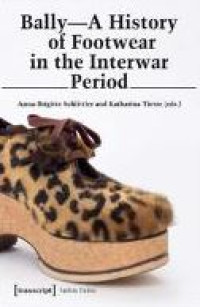
E-book Bally : A History of Footwear in the Interwar Period
transcript Verlag · 2021
Penilaian
0,0
dari 5Informasi Detail Buku
ISBN/ISSN
9783839457382
Penerbit
transcript Verlag
Tahun Terbit
2021
Halaman
197 hlm
Bahasa
English
Klasifikasi
685.3
No. Panggil
685.3 HER b
Subjek
Sinopsis
Shoes are accessories. They add the finishing touches to an outfit, complete a look. Shoes offer up information about so-cial identities, class, and gender roles. From clogs to sandals, high heels to brogues, sneakers to boots—shoes have become indispensable extensions of the body, shaping the way we stand and walk. With the appropriate footwear, walking can assume entirely different forms. We might go for a leisurely stroll, a “turn”, decide to walk to work, or go for a hike—and so shoes also symbolize our (historically contingent) understanding of public space and our changing relationship to the natural world. At the same time, shoes are also complex, technical products. More than 100 work stages are still required to manufacture classic men’s shoes, for example. Nor is the process entirely mechanical or automated. Even today, shoemaking involves skilled crafts(wo)manship. Leather, the most important basic material, should only be cut to shape under the exacting eye of an expert. The evolution of the shoe into a mass-produced con-sumer product took several decades.1 Following the develop-ment of numerous specialist machines in the late 19th century, production underwent another fundamental change in the first third of the 20th century with the emergence of synthetics and glues. These innovations reduced the number of work stages, which in turn brought down total production costs.
Ketersediaan
#
Perpustakaan SMA Kolese Loyola Semarang
685.3 HER b 001488-eB-0122
001488-eB-0122
Tersedia
Lampiran Berkas
Rekomendasi Buku Lainnya
0 BukuTidak ada rekomendasi buku yang ditemukan.