
FAO - Food and Agriculture Organization - Nama Orang;
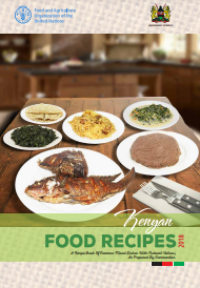
E-book Kenyan Food Recipes
FAO - Food and Agriculture Organization · 2018
Penilaian
0,0
dari 5Informasi Detail Buku
ISBN/ISSN
9789251304808
Penerbit
FAO - Food and Agriculture Organization
Tahun Terbit
2018
Halaman
351 hlm
Bahasa
English
Klasifikasi
641.56762
No. Panggil
641.5 FAO k
Subjek
Sinopsis
Complete absence or existence of limited quantified recipes has negatively impacted on optimal gains from dietary activities being promoted by the Ministry of Health (MoH) and Ministry of Agriculture, Livestock and Fisheries (MoALF) towards alleviating food and nutrition insecurity, and ultimately malnutrition. The lack of reliable quantified recipes in the country may have therefore led to incorrect nutrient intake estimations resulting in erroneous nutrient adequacy estimations in populations and eventually, inaccurate programming
decisions. It is on this premise that Food and Agriculture Organization of the United Nations (FAO) supported the government in documenting commonly consumed recipes, which were quantified with ingredients, preparation methods and yield factors. This book is a detailed account of commonly consumed dishes featuring a diversity of mixed ingredient recipes from across Kenyan communities. These recipes were selected based on frequency of use and so the most commonly used recipes are featured. The book was developed side by side with the revised Kenya Food Composition Tables (KFCT) and so nutrient calculations for mixed recipes featured were drawn from the revised Kenya Food Composition Tables (KFCT), 2018. As Food systems are dynamic so are food recipes. The greater the diversity of cultures the greater the diversity of recipes as is clearly demonstrated in this book. For example, a single food group can be prepared and eaten in diverse ways by the different people groups as the case in Kenya. This means different cooking methods applied will affect nutrient values of the final dish in diverse ways and hence the need to document the most common recipes and provide a link between policy and practice. Therefore, this book will provide
great support to all actors in the Food and Nutrition field towards adopting food based approaches to realize nutrition commitments as enshrined in the pledges for Kenya Vision 2030 and Sustainable Development Goals (SDGs).
decisions. It is on this premise that Food and Agriculture Organization of the United Nations (FAO) supported the government in documenting commonly consumed recipes, which were quantified with ingredients, preparation methods and yield factors. This book is a detailed account of commonly consumed dishes featuring a diversity of mixed ingredient recipes from across Kenyan communities. These recipes were selected based on frequency of use and so the most commonly used recipes are featured. The book was developed side by side with the revised Kenya Food Composition Tables (KFCT) and so nutrient calculations for mixed recipes featured were drawn from the revised Kenya Food Composition Tables (KFCT), 2018. As Food systems are dynamic so are food recipes. The greater the diversity of cultures the greater the diversity of recipes as is clearly demonstrated in this book. For example, a single food group can be prepared and eaten in diverse ways by the different people groups as the case in Kenya. This means different cooking methods applied will affect nutrient values of the final dish in diverse ways and hence the need to document the most common recipes and provide a link between policy and practice. Therefore, this book will provide
great support to all actors in the Food and Nutrition field towards adopting food based approaches to realize nutrition commitments as enshrined in the pledges for Kenya Vision 2030 and Sustainable Development Goals (SDGs).
Ketersediaan
#
Perpustakaan SMA Kolese Loyola Semarang
641.5 FAO k 004141-eB-0122
004141-eB-0122
Tersedia
Rekomendasi Buku Lainnya
0 BukuTidak ada rekomendasi buku yang ditemukan.