Melissa Aguilar Rajas - Nama Orang; Kerstin Smeds - Nama Orang;
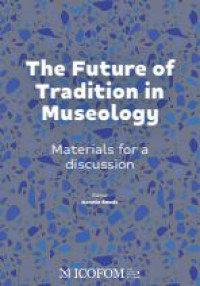
E-book The Future of Tradition in Museology
ICOFOM · 2019
Penilaian
0,0
dari 5Informasi Detail Buku
ISBN/ISSN
9789290124665
Penerbit
ICOFOM
Tahun Terbit
2019
Halaman
204 hlm
Bahasa
English
Klasifikasi
069
No. Panggil
069 RAJ t
Subjek
Sinopsis
Thirty years ago, Kenneth Hudson, the grand old figure of the European museum
world, said that there are chiefly two qualities that will be demanded of the
museums in the future: pluralism of interest and the flexibility of imagination.
Today, we cannot but admit that he was right. Even if the diversity of definitions
of museum is bigger than ever, there is no doubt that modern museums want
to live up to the expectations from new groups of visitors, from cultural policy
and a changing society in general. Many museums have left the traditional role
of embodying merely a national collective memory and have become a kind of
commentators on the present; the museum of the 21st century is supposed to
explain the complexity of the world and what it is to be human in this world – in
a historical perspective.
Museums are changing from being institutions and presenting “institutional”
knowledge, to multicultural platforms for negotiations about the past and a future
that would be more sustainable. I would like to use the term process-museum, or
museum-as-process, and change the term “taxonomy” – the classical art of classification – to “folksonomy”, a classification that includes user/visitor aggregation
and distribution of knowledge. This means also that museums’ focus enlarges
a bit from thing- and collection-orientation to visitor- and user-orientation.
world, said that there are chiefly two qualities that will be demanded of the
museums in the future: pluralism of interest and the flexibility of imagination.
Today, we cannot but admit that he was right. Even if the diversity of definitions
of museum is bigger than ever, there is no doubt that modern museums want
to live up to the expectations from new groups of visitors, from cultural policy
and a changing society in general. Many museums have left the traditional role
of embodying merely a national collective memory and have become a kind of
commentators on the present; the museum of the 21st century is supposed to
explain the complexity of the world and what it is to be human in this world – in
a historical perspective.
Museums are changing from being institutions and presenting “institutional”
knowledge, to multicultural platforms for negotiations about the past and a future
that would be more sustainable. I would like to use the term process-museum, or
museum-as-process, and change the term “taxonomy” – the classical art of classification – to “folksonomy”, a classification that includes user/visitor aggregation
and distribution of knowledge. This means also that museums’ focus enlarges
a bit from thing- and collection-orientation to visitor- and user-orientation.
Ketersediaan
#
Perpustakaan SMA Kolese Loyola Semarang
069 RAJ t 005259-eB-0122
005259-eB-0122
Tersedia
Rekomendasi Buku Lainnya
0 BukuTidak ada rekomendasi buku yang ditemukan.