Text
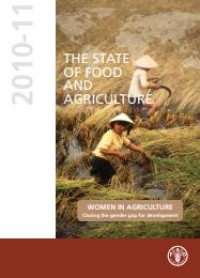
E-book The State of Food and Agriculture
Penilaian
0,0
dari 5
Agriculture is underperforming in many developing countries for a number of reasons. Among these is the fact that women lack the resources and opportunities they need to make the most productive use of their time. Women are farmers, workers and entrepreneurs, but almost everywhere they face more severe constraints than men in accessing productive resources, markets and services. This “gender gap” hinders their productivity and reduces their
contributions to the agriculture sector and to the achievement of broader economic and social development goals. Closing the gender gap in agriculture would produce significant gains for society by increasing agricultural productivity, reducing poverty and hunger and promoting economic growth. Governments, donors and development practitioners now recognize that agricultures central to economic growth and food security – particularly in countries where a significant share of the population depends on the sector – but their commitment to gender equality in agriculture is less robust. Gender issues are now mentioned in most national and regional agricultural and
food-security policy plans, but they are usually relegated to separate chapters on women rather than treated as an integral part of policy and programming. Many agricultural policy and project documents still fail to consider basic questions about the differences in the resources available to men and women, their roles and the constraints they face – and how these differences might be relevant to the proposed intervention. As a result, it is often assumed that interventions in areas such as technology, infrastructure and market access have the same impacts on men and women, when in fact they may not.
Ketersediaan
Informasi Detail
- Judul Seri
-
-
- No. Panggil
-
577.55 FAO t
- Penerbit
- Italy : FAO., 2022
- Deskripsi Fisik
-
160 hlm
- Bahasa
-
- ISBN/ISSN
-
9789251067680
- Klasifikasi
-
577.55
- Tipe Isi
-
text
- Tipe Media
-
computer
- Tipe Pembawa
-
online resource
- Edisi
-
-
- Subjek
- Info Detail Spesifik
-
-
- Pernyataan Tanggungjawab
-
-
Versi lain/terkait
Tidak tersedia versi lain
Lampiran Berkas
Komentar
Anda harus masuk sebelum memberikan komentar
 Karya Umum
  Filsafat
  Agama
Agama  Ilmu-ilmu Sosial
  Bahasa
  Ilmu-ilmu Murni
  Ilmu-ilmu Terapan
  Kesenian, Hiburan, dan Olahraga
  Kesusastraan
  Geografi dan Sejarah